Quick Answer
Energy-efficient windows can help Sydney homes stay more comfortable by limiting unwanted heat transfer, solar gain and draughts. The right choice depends on your home’s orientation, existing frames, ventilation needs and budget. Compare glazing, frame design and seals together, then get an on-site measure and written quote before deciding.
Explore related options: custom aluminium awning windows · related Sydney guide · aluminium louvre windows
Why window efficiency matters in a Sydney home
Windows are a significant part of the building envelope: they let in daylight and views, but can also admit heat, lose warmth and allow draughts. How much this affects comfort depends on the glass, frame, seals, window size and position, as well as insulation, shading and how the room is used. Replacing windows may improve comfort, but it is not a substitute for addressing every source of heat gain or loss.
Sydney’s climate varies across the region. A home in a sunny western suburb can face intense afternoon sun, while a coastal property may have different exposure, wind and maintenance considerations. Winter conditions also matter, particularly in cooler inland and elevated areas. A useful upgrade starts with the rooms that are uncomfortable, rather than assuming every window needs the same solution.
- Summer: glass exposed to direct sun can contribute to overheating, especially where external shading is limited.
- Winter: poorly performing glazing and gaps around a frame may make a room feel cold or draughty.
- Throughout the year: suitable windows can support daylight and ventilation while helping manage unwanted heat transfer.
Think of the window as a system. Improving the glass alone may not deliver the result you expect if the frame is leaky, the opening is poorly fitted, or afternoon sun remains unshaded. Likewise, a well-sealed window does not provide fresh air when closed, so ventilation needs should be part of the decision.
Understand glazing before choosing a window
Glazing describes the glass and its configuration. A single pane, double glazing and different glass coatings can behave differently, but there is no universally best option for every Sydney home. Ask how a proposed glazing choice is intended to perform in your room and orientation, and request product information for the specific configuration being quoted.
Double glazing uses two panes separated by a sealed space. Depending on the full window design and installation, it can reduce heat transfer compared with single glazing. It may also help with outside noise, although the result depends on factors such as pane thickness, the gap, frame, seals and the type of noise. Do not assume that any double-glazed unit will provide the same thermal or acoustic outcome.
Low-emissivity (Low-E) glass has a coating designed to influence heat transfer. Its suitability depends on the building and the glazing configuration; ask which side the coating is applied to and what performance information applies to the complete unit. Tinted or solar-control glass can reduce some incoming solar energy, but it may also alter visible light and the appearance of the view. Consider a sample or product details before committing where appearance is important.
Two useful measures to ask about are the U-value, which indicates heat transfer through a window, and the solar heat gain coefficient (SHGC), which indicates how much solar heat passes through. Lower or higher values are not automatically preferable in every situation: the right balance depends on whether a room needs protection from summer sun, winter warmth or both. Compare values for the whole window where available, not just the centre of the glass.
For a sunny room, external shade such as an awning, eaves or appropriately placed screening can reduce direct sun before it reaches the glass. It may be a useful part of the solution alongside glazing. Consider daylight, view, privacy and the effect on winter sun before adding permanent shade.
Consider the frame, seals and window style together
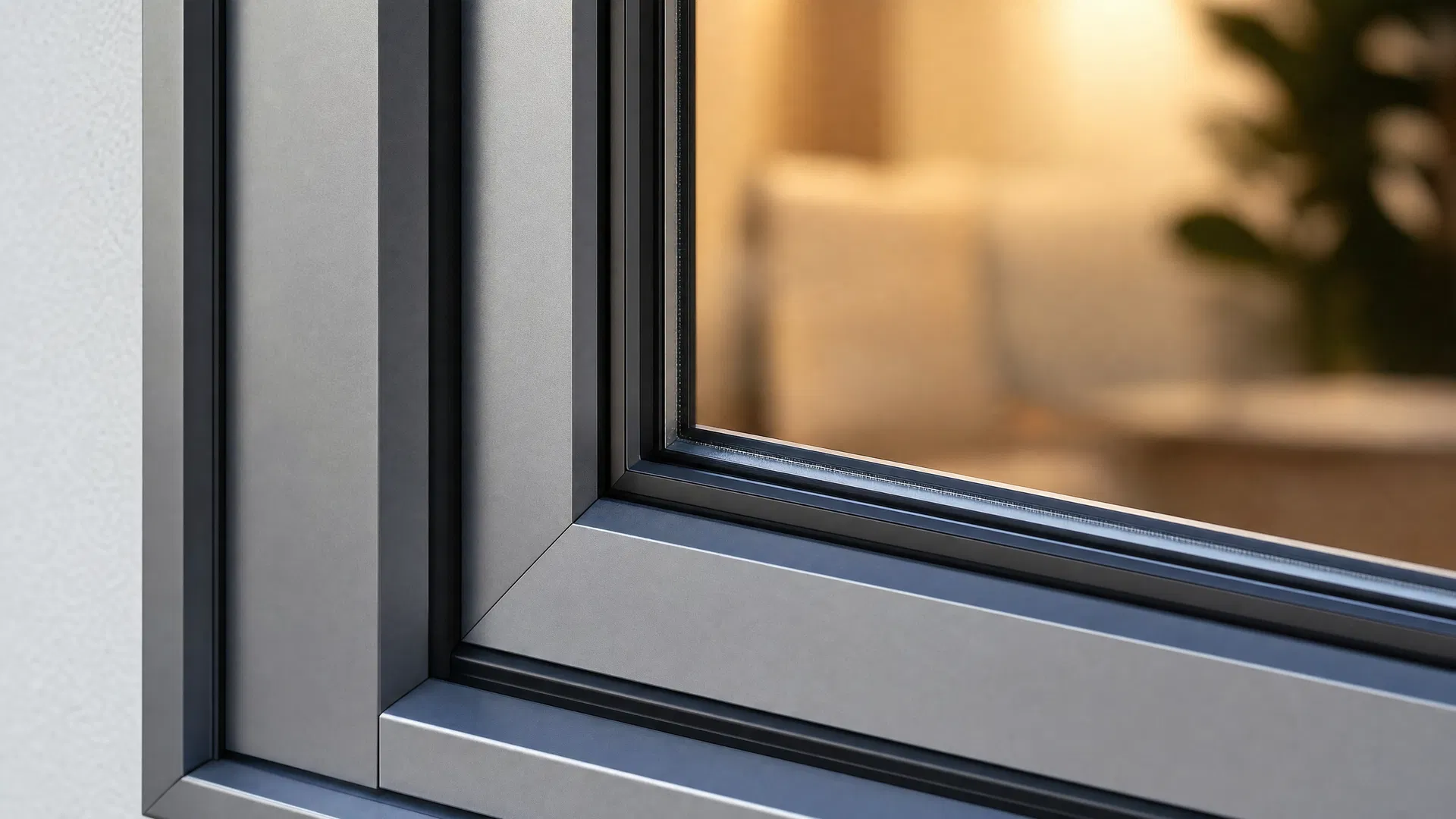
Aluminium is used for window frames because it is strong and can be formed into a range of designs. However, aluminium conducts heat, so frame construction matters when comparing options. A thermally broken frame uses a material barrier within the frame to reduce heat transfer between its inside and outside parts. Ask whether this type of frame is available for the window you are considering, and compare its documented performance with the alternatives rather than relying on the frame material alone.
Good seals and careful installation matter too. Worn seals, gaps around an old frame or poor fitting can allow draughts and reduce comfort. When replacing a window, ask what is included in the installation, how the opening will be checked and what finishing or repair work may be needed. Existing wall and reveal conditions can affect the work and its cost.
The opening style should suit both the room and your daily routine:
- Awning windows open out from the bottom. They can provide ventilation while offering some shelter from light rain, but weather exposure and the opening’s position should be considered.
- Sliding windows move horizontally and do not project outwards, which can suit areas with limited external clearance.
- Louvre windows use angled blades to provide adjustable airflow. Consider privacy, weather exposure and the needs of the room when assessing them.
- Other opening styles may suit a particular space better; compare how they operate, clean, lock and fit with furniture or external features.
There is no single style that is most energy efficient in every circumstance. A window that opens easily and is used for ventilation may be more useful to your household than a design that is rarely opened. Conversely, in a room where the priority is limiting heat transfer, ask about fixed or opening configurations and how each affects the overall window performance.
Plan around Sydney sun, wind and room use
Before comparing quotes, note which rooms become too hot or cold and when. Record the direction each window faces, whether it receives direct morning or afternoon sun, and whether nearby trees, eaves or buildings provide shade. A west-facing living area with strong afternoon sun may call for a different approach from a shaded bedroom. Orientation is a helpful starting point, not a complete assessment: glazing area, shading, room layout and ventilation all influence the result.
Also consider local exposure. Homes near the coast may experience salt-laden air, while exposed sites can face stronger wind and rain. Ask about suitable finishes and maintenance for the location, and confirm the proposed window is appropriate for the opening and exposure. Avoid assuming a general product description establishes suitability for every site.
Make a short room-by-room list before speaking with a supplier:
- Which rooms are uncomfortable, and at what time of day or season?
- Is the main concern summer sun, winter draughts, ventilation, outside noise, or a combination?
- Do you want to preserve a particular view, amount of daylight or exterior appearance?
- Are there access, security, privacy or furniture-placement constraints?
- Are other improvements, such as external shading or sealing, planned at the same time?
This information helps narrow the options without promising that new windows alone will resolve every comfort issue. It also helps a measure and quote focus on the openings and priorities that matter most to your household.
Indicative window costs and what affects the quote
Window prices vary with dimensions, opening style, glazing, frame options, finish, hardware, access and installation conditions. The following broad AUD allowances are for early budgeting only. They are not a Brightview Aluminium price list, a market guarantee or a quote; the final amount can fall outside these bands, especially where openings are unusually large or access and make-good work are complex.
| Indicative scope | Broad planning allowance (AUD) | What can change the cost |
|---|---|---|
| Small, straightforward replacement window | $900–$2,000 | Exact dimensions, glazing choice, frame finish and the condition of the existing opening. |
| Medium-sized replacement window | $1,500–$3,500 | Opening style, hardware, access, glazing configuration and installation requirements. |
| Large or more complex window | $3,000–$8,000+ | Size, configuration, site access, structural or finishing work and other project-specific requirements. |
Use these ranges to start a conversation, not to compare unlike products. Check whether a quote includes removal and disposal of the old window, installation, glazing, hardware, finishing and any necessary repairs. If work beyond the window installation may be needed, ask whether it is included or priced separately. A written quote should make the scope and any exclusions clear.
Replacing several windows at once can change the overall project cost and logistics, but the saving, if any, depends on the job. Ask for the quote to itemise or clearly describe the included openings so you can compare options fairly. An on-site measure and written quote determine the final price.
How to choose and prepare for replacement
Start with the problem you want to solve, then compare complete window options against it. If summer overheating is the main concern, discuss solar exposure, shading and the glazing specification. For draughts, ask about frame seals, installation and the condition of the opening. If outside noise is an issue, explain the type of noise and ask what acoustic outcome the proposed configuration is expected to provide. In each case, request relevant product information rather than relying on a general label such as “energy efficient”.
When reviewing a quote, confirm the following:
- Which openings are included, with their measured sizes and chosen opening styles.
- The proposed glazing and frame configuration, including any stated performance information.
- What installation, removal, disposal and finishing work is included or excluded.
- Any site conditions or access requirements that could affect the scope or price.
- How the proposed options address your priorities, and what benefits should not be expected.
Brightview Aluminium supplies and installs custom aluminium doors and windows in Sydney. A conversation about your rooms, priorities and openings can help identify suitable options to measure and quote. If you are unsure about the window style, compare how it will ventilate, operate and suit the space before settling on a specification. Do not choose on glass type alone: the frame, seals, installation and room conditions also matter.
Frequently Asked Questions
Are double-glazed windows always the best choice for a Sydney home?
No. Double glazing can help reduce heat transfer and may help with noise, but its suitability depends on the room, orientation, window design and budget. Compare the full window specification and consider shading and draughts as part of the decision.
Will new windows make my home cooler in summer?
They may help reduce unwanted heat gain when the glazing, frame and installation suit the home. Direct sun, shading, roof insulation and ventilation also influence indoor temperatures, so a window replacement may not solve overheating on its own.
Can energy-efficient windows reduce outside noise?
Some glazing configurations may reduce noise, but results depend on the glass, frame, seals and installation, as well as the sound source. Tell the supplier what noise you are trying to manage and ask about the expected performance of the complete window.
Does aluminium framing make a window energy efficient?
Not by itself. Frame construction, glazing, seals and installation all contribute. Ask about the frame design and any available performance information for the complete window, including whether a thermally broken option is suitable.
Can I replace just one or two windows?
Yes, a project can focus on selected openings. Prioritise the rooms with the clearest comfort issues and discuss how a different window specification will look and perform alongside existing windows.
What should I have ready before requesting a quote?
Note the rooms and openings you want assessed, your main concerns, preferred styles and any access or site considerations. An on-site measure is needed to confirm dimensions and scope before a final written price can be determined.
For a practical first step, list the rooms you want to improve and arrange a free measure and quote with Brightview Aluminium. A site assessment can help clarify the available options and the final scope for your Sydney home.